
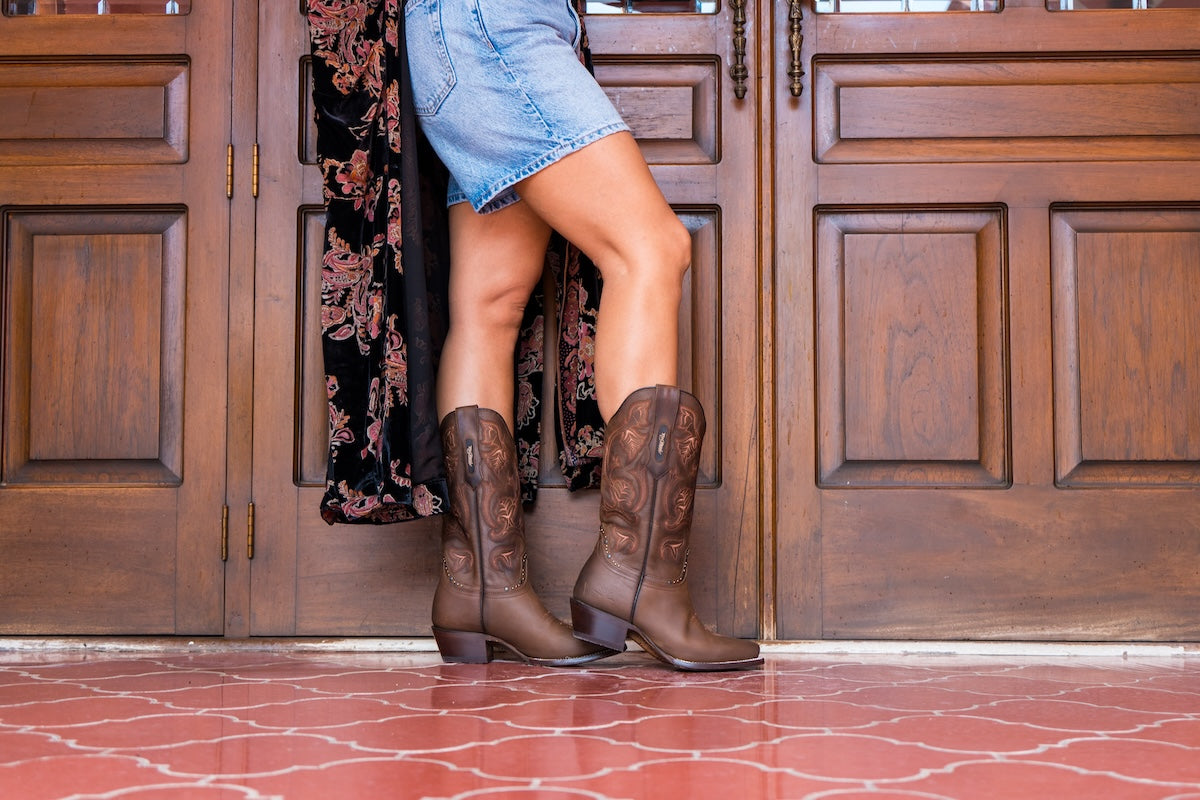
Origins of Cowboy Boots
The history of cowboy boots has been forged through a rich fusion of cultures, from Spain and Mexico to the United States. The craftsmanship of each maker and the functionality of this footwear have allowed cowboy boots to evolve and become an iconic symbol of each country's culture. From the Spanish vaqueros who arrived in Mexico to the cowboys of the American West, cowboy boots reflect centuries of cultural exchange, adaptation, and innovation. As they transitioned from the ranch to the rodeo and, eventually, to fashion, they have continued to evolve.
From Spanish Cowboys to American Cowboys
Spanish Influence (16th-18th Centuries): Spanish explorers introduced traditional riding boots with high shafts and pointed toes to Mexico. These boots were worn by Spanish vaqueros, who, since the Roman Empire, had been renowned for their horsemen and riders. This part of history tells us about the forerunners of the American cowboys.
Transition to Cowboy Boots (19th Century): In the mid-to-late 1800s, the distinctive cowboy boots began to emerge as cattle ranching expanded in what is now the United States. The design evolved from Spanish boots and Wellington boots, which were a symbol of nobility associated with the Duke of Wellington, who became famous after defeating Napoleon. Cowboy boots combined functionality for riding with unique aesthetic elements.
Livestock Farming and the Evolution of Boot Manufacturing
The history of cowboy boots is intertwined with the history of cattle ranching in America. Cowboys were part of a legacy that began with the Spanish settlers who introduced cattle and mounted vaqueros to the Southwest in the 17th century. This foundation paved the way for a flourishing ranching culture. By the early 19th century, millions of head of cattle were being driven from California to Texas, tended by Hispanic ranchers who enriched modern ranching vocabulary with terms like bronco, chaparajos, corral, lariat, lazo, rodeo, and rancho.
As Anglo-American settlers arrived, they adopted these customs along with the Texas longhorn cattle, which became vital to the cattle industry after the Civil War. Although the war temporarily disrupted the Texas beef market that had begun to grow around 1850, demand increased again with the expansion of railroads across the Great Plains and the rapid growth of eastern cities. This transformative period in cattle ranching led to the development of durable, functional footwear designed to meet the demands of long cattle drives.
Boot manufacturers began to cater to the evolving needs of cowboys, creating boots that offered both durability and style. The rugged terrain of states like Texas, Montana, and Wyoming influenced design features such as high heels and pointed or square toes, improving grip in the stirrups for balance and control while driving cattle across vast distances. These boots had to withstand harsh conditions, leading to innovations like waterproof materials and insulating linings for comfort in unpredictable weather.
As different cultural influences intertwined during this era, the design of cowboy boots became even more enriched. Ranchers began to see their footwear not just as practical tools, but as expressions of personal style and identity. Intricate designs and unique stitching showcased their origins and experiences. Ultimately, the evolution of cowboy boots reflected the growth of the cattle industry, combining functionality and durability with a deep connection to the enduring traditions of American ranching.
Boot Manufacturers: Icons and Their Contributions to the Industry
In the ever-evolving landscape of cowboy boot craftsmanship, a select group of individuals has risen to prominence, leaving an indelible mark on the industry and shaping the very essence of cowboy culture. These pioneers and visionaries, through their unique brands and innovative designs, have not only created exceptional footwear but have also celebrated the rich heritage and traditions of the American West. Their commitment to quality, authenticity, and style has made them integral figures in the cowboy boot narrative, transforming these iconic shoes into symbols of identity and pride for wearers worldwide. Join us as we explore the remarkable stories of these influential bootmakers and brand creators who have elevated cowboy culture and forged a legacy that continues to inspire generations.
The Evolution of Cowboy Boot Design: From Pointed Toe to Square Toe
The square toe has a fascinating history in the evolution of cowboy boots, marking a significant shift in both style and function. Originally, cowboy boots were designed with pointed toes, which made them easier to slip into stirrups and gave them a sleek look. However, as the needs of ranchers and cowboys evolved, so did the design of the boots.
The square toe boot emerged in the late 19th and early 20th centuries, primarily influenced by practicality and comfort. Many cowboys found that the wider toe box of square-toe boots provided greater comfort and stability, especially during long hours in the saddle or working on ranches. This style gained popularity for its roominess and ease of use, appealing to those who spent long days on horseback.
Although the square toe has become synonymous with American cowboy boots, it is not an exclusively American creation. Similar styles can be found in diverse cultures around the world, as many societies developed practical footwear for horseback riding and work. However, the association of the square toe with the cowboy boot is distinctly American, reflecting the unique lifestyle and culture of the American West.
The square toe has since become a staple in cowboy boot design, with many modern iterations embracing both traditional craftsmanship and contemporary aesthetics. Today, it stands as a symbol of the rugged, hardworking spirit of cowboys and remains a popular choice among boot enthusiasts, cementing its place in the heritage of American cowboy culture.
How Cowboy Boots Became Icons of American Style and Everyday Fashion
The 20th century marked a significant turning point for cowboy boots. Influenced by Hollywood and country music stars, these boots began to gain popularity beyond ranches and rodeo arenas. Celebrities like John Wayne and, later, artists like Willie Nelson and Dolly Parton, showcased cowboy boots not only as functional footwear but also as a statement of individuality and cultural pride. This shift helped solidify cowboy boots as a fashion choice, appealing to a wider audience.
Over the decades, various styles emerged, from classic pointed toes to modern square-toe designs, each reflecting the evolving tastes of American society. The craftsmanship behind these boots also became a focal point, with artisans showcasing intricate designs, quality materials, and unique embellishments. Brands like Justin Boots, Tony Lama, and Lucchese became synonymous with quality and style, further establishing cowboy boots as a staple of American fashion.
Today, cowboy boots aren't just for Western-themed events or ranch work; they've found their place in everyday fashion. They're worn with everything from jeans to dresses, symbolizing a rugged yet stylish lifestyle. They embody the spirit of the American West while seamlessly integrating into contemporary fashion trends.
In essence, cowboy boots have become icons of American style and everyday fashion through their rich history, cultural significance, and ability to adapt to evolving tastes. They represent not only a connection to the American cowboy heritage but also an enduring symbol of individuality and self-expression in modern society.
The Rise of Exotic Leather Cowboy Boots
Exotic leather has long been a symbol of luxury and craftsmanship, and its incorporation into cowboy boots represents a blend of practicality and style. The use of exotic materials such as alligator, crocodile, snake, ostrich, and lizard skin has been influenced by several factors.
What influenced cowboy boots in Mexico?
Cowboy boots in Mexico were initially influenced by the Spanish and later by the United States. Worn primarily by charros and vaqueros in traditional Mexican dress , these boots were shaped by the lifestyle of horsemen and cowboys in Mexico. Their evolution reflects a blend of personality , history , and style , creating designs that became part of Mexican culture .
Main Influences: Spain
- In New Spain during the 16th and 17th centuries, boots and other leather goods were made by skilled artisans , many of whom were Indigenous people who had learned techniques brought by the Spanish. These artisans worked in workshops known as obrajes , where they produced a variety of leather products, such as boots, saddles, and cattle harnesses.
- As the influence of Spanish culture grew, some of these workshops began to specialize in making boots for charros and vaqueros , who needed sturdy footwear for their work in the fields. The artisans of the shoemakers' guild in major cities like Mexico City and Puebla played a crucial role in the production of these boots, applying traditional techniques and adapting the designs to local needs. Over time, bootmaking became an essential part of the artisan industry of New Spain.
Main influences: USA
Boot manufacturing in León, Guanajuato , began to grow significantly in the late 19th and early 20th centuries. Although the tradition of leatherwork and boot making originated in urban centers like Mexico City and Puebla during the colonial era, it was in León where the industry became established.
León had a long tradition in the manufacture of leather goods, but it was from the second half of the 19th century onwards that specialization in footwear production began . The city benefited from several factors, such as its strategic geographic location, access to raw materials like leather, and the establishment of small artisan workshops that gradually evolved into a more formalized industry.
As León established itself as a footwear manufacturing center, the production of cowboy boots began to stand out, thanks in part to growing demand both in Mexico and abroad. During the 20th century, León became the leading footwear producer in Mexico, and the manufacture of leather boots, particularly cowboy and charro boots , reached industrial levels, with factories employing thousands of workers and distributing their products both nationally and internationally.
Today, León, Guanajuato , is known as the "Shoe Capital" in Mexico and is one of the main centers for the manufacture of cowboy boots in the world.
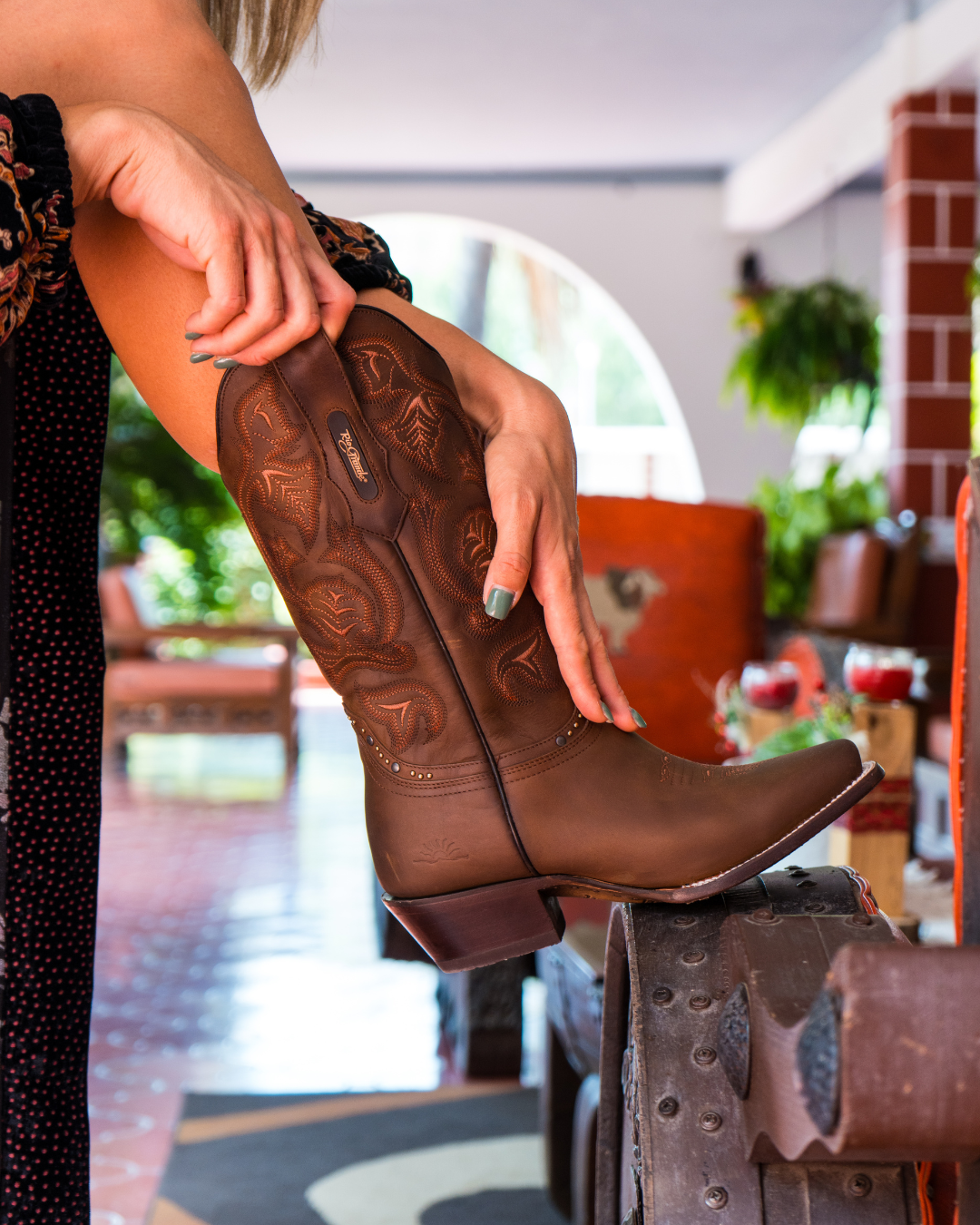
With brands manufacturing their best boots in León, Guanajuato


Leave a comment
All comments are moderated before being published.
This site is protected by hCaptcha and the hCaptcha Privacy Policy and Terms of Service apply.